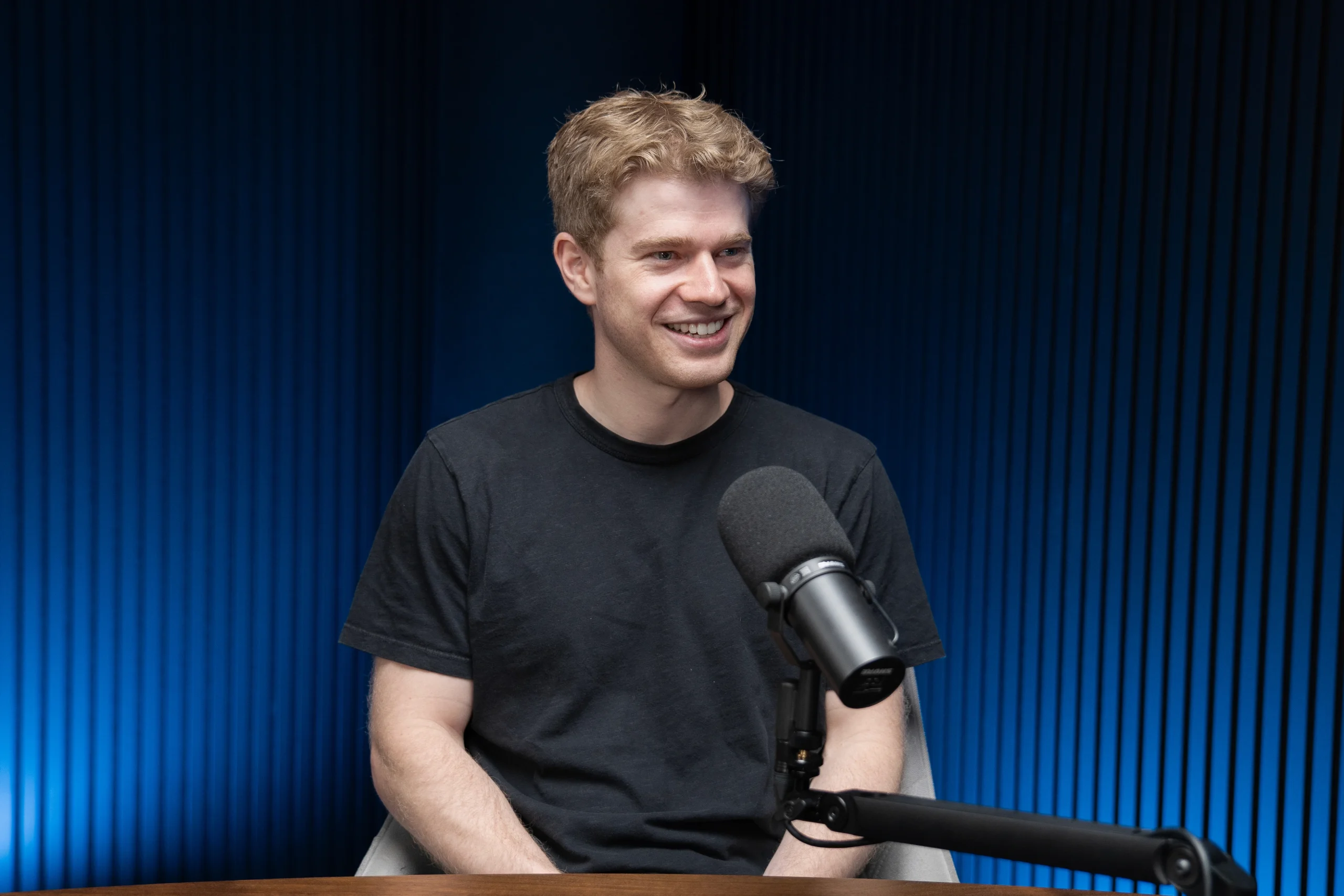

Ola Sars has spent his career at the intersection of music and technology, but his latest chapter may be his most consequential. As founder of Soundtrack Technologies, he leads one of the world’s largest B2B music streaming platforms, an infrastructure layer designed to modernize how music is used, licensed, and paid for in commercial spaces.
“Soundtrack is a fully licensed music streaming platform built specifically for commercial environments,” Sars explains. “Everything from restaurants and gyms to global retail chains and hotels.” Unlike consumer services, which are designed for private listening, Soundtrack handles the copyright, reporting, and usage requirements that come with playing music publicly. “It’s essentially the infrastructure layer that finally brings commercial music use into the streaming era.”
After helping build Beats Music and contributing to the foundation of Apple Music, Sars recognized a gap the broader industry had largely ignored. While consumer streaming evolved rapidly, commercial music use remained stuck in outdated systems. Millions of businesses streamed music illegally without realizing it, exposing themselves to risk while depriving artists of legitimate revenue.
Sars’ music-tech career began with Pacemaker, a DJ-focused hardware and software platform that pushed early algorithmic recommendation models. The product was ahead of its time and established his reputation as a founder fluent in both technology and culture. More importantly, it exposed him early to the tension between what technology enabled and what music licensing structures could support. “Pacemaker introduced me to licensing and rights complexities,” he says, “and the gaps between what MusicTech made possible and what the industry was prepared for.”
That understanding carried into Beats Music, which later became a core part of Apple Music. Building a consumer streaming platform at scale gave Sars firsthand experience negotiating with labels, publishers, and artists, and showed him just how transformative streaming could be. But it also revealed what had been left behind. “While significant innovation had happened on the consumer side,” he says, “the commercial music sector remained largely untouched and relied on outdated systems.”
The issue became impossible to ignore. Restaurants, retail stores, gyms, hotels, and lounges around the world were using personal streaming accounts or legacy background-music services, believing they were compliant. In reality, they were unintentionally violating copyright law. “The market had not produced a modern, accessible solution for them,” Sars says. The scale of the problem, measured in billions of dollars, made it clear there was both a structural failure and a responsibility to fix it.
An early partnership with Spotify led to the creation of Spotify Business, the first serious attempt to formalize commercial streaming. The collaboration proved demand existed, but also exposed how complex the challenge was. “Commercial music use required a dedicated product, with different rights, pricing, and reporting than consumer streaming,” Sars notes. No global framework existed to support it at scale.
That realization led to Soundtrack Technologies, a platform built specifically for the commercial market rather than adapted from consumer streaming. Today, Soundtrack is the largest fully licensed B2B music streaming service in the world, operating in 73 countries and serving global brands including Uniqlo, Dr. Martens, Four Seasons, Kiehl’s, Joe & The Juice, and TAG Heuer. The platform offers access to more than 100 million tracks, along with tools that let businesses manage playlists across locations while ensuring every stream is compliant and every creator is paid.
Reaching that position required nearly a decade of licensing work. Sars and his team negotiated tens of thousands of agreements with labels, publishers, and collection societies, often confronting fragmented and outdated reporting systems. In many regions, royalty distribution relied on surveys or sampling rather than precise data. “Aligning stakeholders around standardized reporting and modern licensing terms required substantial education and new technical infrastructure,” he says.
Those challenges shaped Sars’ broader philosophy about responsibility in MusicTech. He believes founders must resist shortcuts that compromise creator rights, even when operating in gray areas might seem expedient. “From the beginning, Soundtrack was built on the principle that commercial music usage should generate more accurate and transparent royalties for creators,” he says. Compliance, direct licensing, and detailed reporting aren’t just ethical choices in his view, they’re the foundation of sustainable innovation.
He also believes music remains dramatically undervalued in commercial environments. Millions of businesses still use unlicensed or under-licensed music, leaving significant revenue unrealized for artists, labels, and publishers. Sars often refers to B2B streaming as a “six-times multiplier,” since a properly licensed business account can generate five to six times more royalty revenue than a typical consumer subscription. “When music is played in a business, it reaches many listeners at once,” he explains, “and modern data makes it possible to track that usage more accurately than ever before.”
As artificial intelligence reshapes how brands think about experience design, Sars sees commercial music as a major frontier. Soundtrack now offers AI-powered playlist creation, brand-suitability controls, and analytics that allow companies to treat music as a strategic asset rather than passive background noise. Retailers and hospitality groups use these tools to align sound with brand identity, customer behavior, and time of day while maintaining consistency and compliance across hundreds or thousands of locations.
For Sars, the mission remains clear. Streaming changed how individuals listen to music. Now he wants to change how businesses use it, building a commercial ecosystem that values creators, strengthens royalty flows, and finally brings the last major segment of the music industry into the modern era.
Spencer Hulse is the Editorial Director at Grit Daily. He is responsible for overseeing other editors and writers, day-to-day operations, and covering breaking news.